
Hyper-Personalization 2.0: The Future of Customer Experience is Here
Remember the days when a “personalized” email simply meant including a customer’s first name in the salutation? We’ve come a long way since then. Hyper-personalization, the practice of using data, artificial intelligence (AI), and advanced technology to deliver tailored experiences to customers, is no longer a futuristic concept. It’s the standard for exceptional customer experience (CX), and it’s evolving rapidly into Hyper-Personalization 2.0.
In this blog post, we’ll dive deep into Hyper-Personalization 2.0, exploring what it is, why it’s crucial for businesses, and how you can leverage it to create unparalleled customer experiences that drive loyalty and growth.
What is Hyper-Personalization 2.0?
Hyper-personalization 1.0 was primarily about segmentation and delivering relevant content to specific customer groups based on their past behavior. Think of product recommendations based on purchase history or targeted ads based on browsing activity.
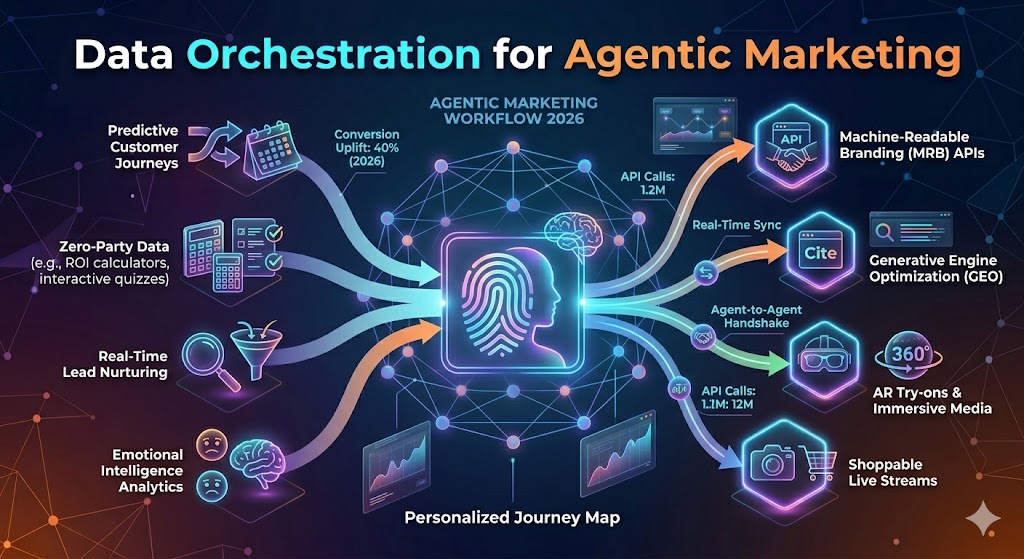
Hyper-Personalization 2.0 takes this a step further. It’s about delivering individualized experiences in real-time, anticipating customer needs, and providing seamless, context-aware interactions across all channels. It goes beyond simple recommendations and leverages sophisticated AI and machine learning algorithms to understand the unique context, intent, and emotional state of each customer at any given moment.
Key characteristics of Hyper-Personalization 2.0 include:
Real-time adaptation: Experiences adjust dynamically based on the customer’s current actions and context.
Predictive insights: AI algorithms analyze data to anticipate future needs and proactively offer solutions.
Omnichannel consistency: Customers receive a unified and personalized experience regardless of the channel they choose to interact with (website, mobile app, social media, physical store).
Emotional intelligence: AI can analyze sentiment and tone to adapt communications and offers to the customer’s emotional state.
Contextual relevance: Interactions are tailored based on factors like location, time of day, device, and even weather.
Why Hyper-Personalization 2.0 is Critical for Businesses
In today’s hyper-competitive landscape, simply meeting customer expectations is no longer enough. Businesses need to exceed them to differentiate themselves and build lasting customer loyalty. Hyper-Personalization 2.0 offers several compelling benefits:
1. Enhanced Customer Experience and Satisfaction: When customers feel understood and valued as individuals, they have a more positive perception of the brand. Personalized interactions lead to higher satisfaction scores, positive word-of-mouth, and increased brand affinity.
2. Increased Customer Loyalty and Retention: Personalization builds trust and emotional connection. Customers are more likely to remain loyal to brands that consistently deliver relevant and valuable experiences, reducing churn and increasing lifetime value.
3. Higher Conversion Rates and Sales: Personalized product recommendations, targeted offers, and tailored content have a higher chance of resonating with customers, leading to increased click-through rates, conversion rates, and average order value.
4. Improved Marketing Efficiency and ROI: Hyper-personalization allows businesses to focus their marketing efforts and budget on the most relevant customers and channels. This leads to better targeting, reduced waste, and a higher return on investment.
5. Competitive Advantage: Businesses that embrace Hyper-Personalization 2.0 can gain a significant competitive edge by offering a level of personalization that’s difficult for competitors to replicate.
Implementing Hyper-Personalization 2.0: A Step-by-Step Guide
Implementing Hyper-Personalization 2.0 requires a strategic approach and investment in technology and data capabilities. Here’s a step-by-step guide to get you started:
1. Define Your Personalization Strategy and Goals: Start by clearly defining what you want to achieve with hyper-personalization. Are you looking to increase sales, improve customer retention, or enhance brand perception? Having a clear understanding of your goals will guide your implementation strategy.
2. Collect and Unify Customer Data: Data is the foundation of personalization. Gather customer data from various sources, including website analytics, CRM systems, social media, and third-party data providers. Use a Customer Data Platform (CDP) to unify this data into a single, comprehensive view of each customer.
3. Choose the Right Personalization Tools and Technology: Invest in robust personalization tools that leverage AI and machine learning. These tools can analyze data, segment customers, and deliver personalized experiences in real-time. Look for platforms that offer omnichannel capabilities and integrate with your existing systems.
4. Develop Personalized Content and Experiences: Create a library of personalized content and experiences that can be tailored to individual customers. This could include personalized product recommendations, dynamic landing pages, tailored email campaigns, and customized offers.
5. Start Small and Iterate: Don’t try to personalize everything at once. Start with a few key touchpoints or campaigns where personalization can have the biggest impact. Monitor performance, gather customer feedback, and continuously refine your approach.
6. Measure and Optimize Your Results: Track key metrics like conversion rates, customer satisfaction, and revenue lift to measure the effectiveness of your personalization efforts. Use A/B testing to identify what works best and continuously optimize your strategies.
Hyper-Personalization 2.0 in Action: Real-World Examples
To illustrate the power of Hyper-Personalization 2.0, let’s look at some real-world examples:
1. Sephora’s Virtual Artist: Sephora’s mobile app uses AR technology to allow customers to virtually try on makeup products. The app takes it a step further by offering personalized recommendations based on skin tone, facial features, and preferences, creating a highly engaging and tailored experience.
2. Netflix’s Personalized Recommendations: Netflix’s algorithm analyzes viewing history, ratings, and even time of day to recommend shows and movies that are highly relevant to each user. They even personalize the artwork and thumbnails for shows to further increase engagement.
3. Spotify’s “Discover Weekly” Playlist: Spotify uses data on users’ listening habits to create a unique playlist of songs they’re likely to enjoy every week. This highly personalized experience has become a major driver of user engagement and retention.
Key Takeaways
Hyper-Personalization 2.0 is about individualized experiences: Moving beyond segmentation to provide tailored interactions in real-time.
AI is critical for enabling Hyper-Personalization 2.0: Leveraging AI and machine learning to analyze data and predict customer needs.
Unified customer data is essential: A Customer Data Platform (CDP) is key to creating a comprehensive view of each customer.
Start small and iterate: Don’t try to do everything at once. Focus on key touchpoints and continuously optimize your strategies.
Measure and optimize your results: Track key metrics to understand the impact of your personalization efforts and identify areas for improvement.
The future of customer experience is personalized, and Hyper-Personalization 2.0 is the key to unlocking that future. By embracing this trend and investing in the right technology and data capabilities, businesses can create unparalleled experiences that drive customer loyalty, growth, and long-term success.